

Your car’s suspension and steering systems are two of its most critical—but often overlooked—components. They keep you safe, comfortable, and in control, yet many drivers don’t give them a second thought until something goes wrong. In this post, we’ll explain what these systems do, signs that they need attention, and how service works so you can stay ahead of costly repairs.
1. Suspension & Steering: How They Work Together
-
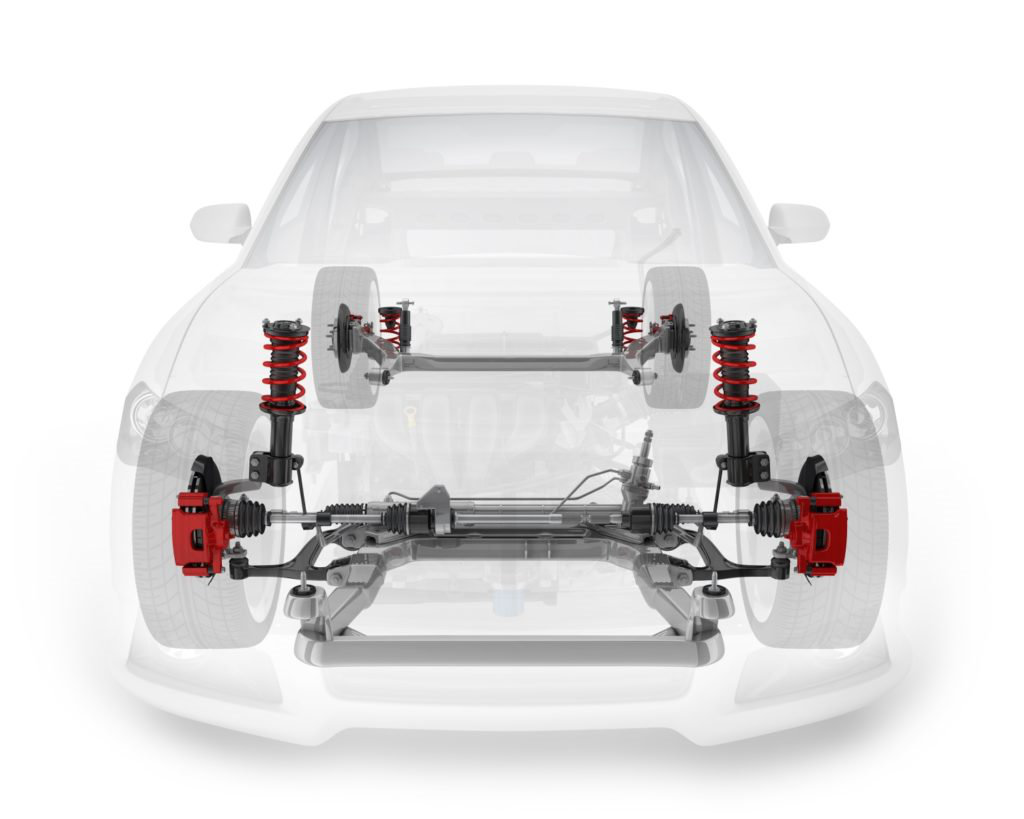
Suspension: This is the system of springs, shocks/struts, control arms, ball joints, and linkages that connect your vehicle to its wheels. Its job is to absorb bumps, keep the tires in contact with the road, and maintain ride comfort.
-
Steering: This system (rack-and-pinion or steering gear, tie rods, power steering pump or electric assist) allows you to direct the vehicle’s path. It must respond accurately to your input and maintain alignment.
-
Why they go hand in hand: A suspension in poor condition can degrade your steering feel and control; looseness or wear in steering components can reduce the effectiveness of the suspension. They form a feedback loop.
2. Common Problems & Warning Signs
Here are signals your suspension or steering may be struggling:
| Symptom | Possible Cause |
|---|---|
| Excessive bouncing or “floaty” ride | Worn shocks or struts |
| One corner of the car sits lower | Broken spring or sagging spring |
| Uneven or accelerated tire wear | Misalignment, worn tie rods or control arms |
| Pulling to one side | Alignment issue, uneven tire pressure, steering linkage wear |
| Steering vibrations or shaking | Bent steering components, wheels out of balance |
| Clunking, banging, or knocking noises | Worn bushings, ball joints, or loose components |
If you notice any of these issues, it’s best to have the vehicle inspected promptly to prevent further damage.
3. What Happens During Service
When your suspension or steering system is due for a check or repair, here’s generally what the process looks like:
-
Visual Inspection
Technicians inspect components such as bushings, ball joints, tie rods, springs, shock mounts, and control arms for wear, corrosion, or damage. -
Lift & Detailed Inspection
On a lift, they check for play in joints, leaks in shocks/struts, bushings that are cracking, and check alignment specs. -
Diagnostic Test Drive
The tech will drive the vehicle to feel for symptoms you described — wandering, bounce, steering slack, noise. -
Alignment & Adjustments
If suspension parts are fine, a wheel alignment is often performed to get the toe, camber, and caster back into spec. -
Repairs or Replacement
Any worn parts—shocks/struts, control arms, tie rods, bushings—are replaced. After components are replaced, alignment is rechecked. -
Quality Check
Final test drive ensures problems are resolved and ride quality is restored.
4. Factors That Affect Longevity
-
Road conditions: Rough roads, potholes, and speed bumps accelerate wear.
-
Load & usage: Heavy loads or frequent towing can stress these components more.
-
Driving style: Hard cornering, sudden stops or swerves, and driving fast over rough surfaces shorten service life.
-
Climate & corrosion: Salt, ice, rust, and road spray can degrade metal parts and joints over time.
5. Maintenance Tips & Best Practices
-
Rotate and balance tires regularly to reduce uneven wear.
-
Keep tire pressure at manufacturer spec — under or overinflated tires stress suspension.
-
Inspect shocks and struts every 30,000 miles (or earlier if symptoms appear).
-
After installing replacement components, always get an alignment.
-
Replace in matched sets (e.g. both front shocks) rather than one at a time for balanced performance.