

Your tires are the only part of your vehicle that actually touch the road. They affect handling, braking, fuel economy, and safety — yet many drivers don’t think about them until a flat or blowout happens. In this article we’ll cover how to choose the right tires, what to expect from tire repair, and the maintenance habits that can dramatically extend their lifespan.
1. Choosing the Right Tires
When it’s time for new tires, it’s not just about size. Consider:
-
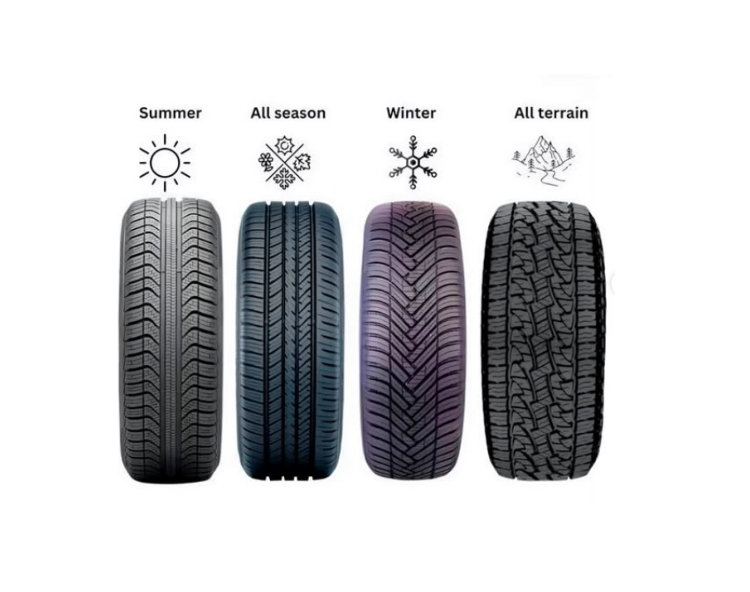
Type: All-season, performance, off-road, winter, or touring — match to your driving needs and climate.
-
Load & Speed Ratings: Ensure the tire can safely handle your vehicle’s weight and typical speed.
-
Tread Pattern: Affects noise, traction, and fuel economy.
-
Warranty & Mileage: Higher-mileage warranties usually mean longer-lasting compounds.
A reputable shop can guide you through these factors and recommend a tire that balances safety, longevity, and price.
2. Tire Repair: When It’s Safe & When It’s Not
Not every flat means you need a new tire. Punctures within the tread area can often be patched or plugged from the inside by a trained technician. However:
-
Damage to the sidewall is usually not repairable.
-
Multiple or large punctures may compromise the structure.
-
Driving on a flat can damage the internal belts, making repair unsafe.
A good shop will inspect the inside of the tire before recommending repair or replacement.
3. Maintenance Habits That Extend Tire Life
With proper care, you can squeeze tens of thousands of extra miles out of your tires. Here’s how:
| Habit | Why It Matters |
|---|---|
| Check tire pressure monthly | Underinflation causes heat buildup, uneven wear, and poor fuel economy. Overinflation reduces grip and comfort. |
| Rotate tires regularly (5–7k miles) | Promotes even tread wear and longer life. |
| Get regular wheel alignments | Keeps tires from scrubbing or wearing on one edge. |
| Balance tires | Reduces vibrations and protects suspension components. |
| Inspect for damage & tread depth | Catch nails, cracks, or bald spots before they become dangerous. |
| Drive smoothly | Hard acceleration, braking, and cornering accelerate wear. |
4. Seasonal Considerations
If you drive in a region with extreme winters or summers, consider seasonal tire sets (winter + summer). Storing and swapping tires preserves performance and extends the life of each set.